Scale to Grams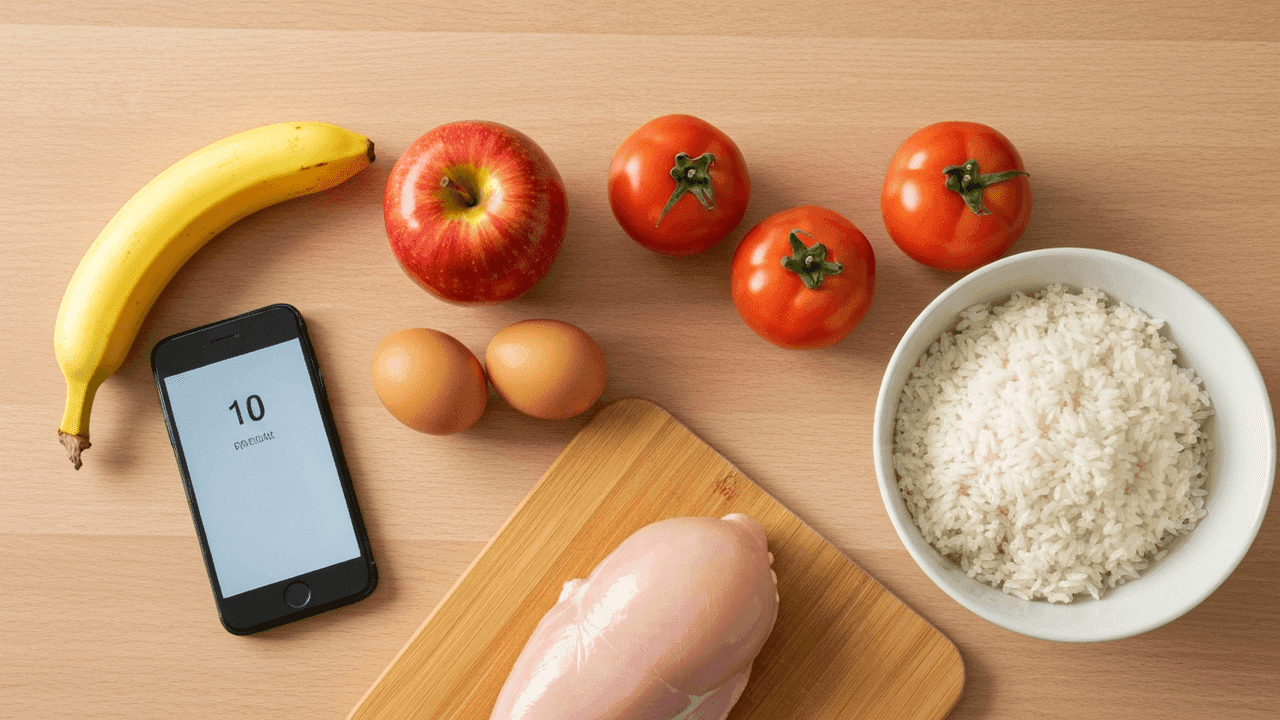
Weigh Food Without a Physical Scale
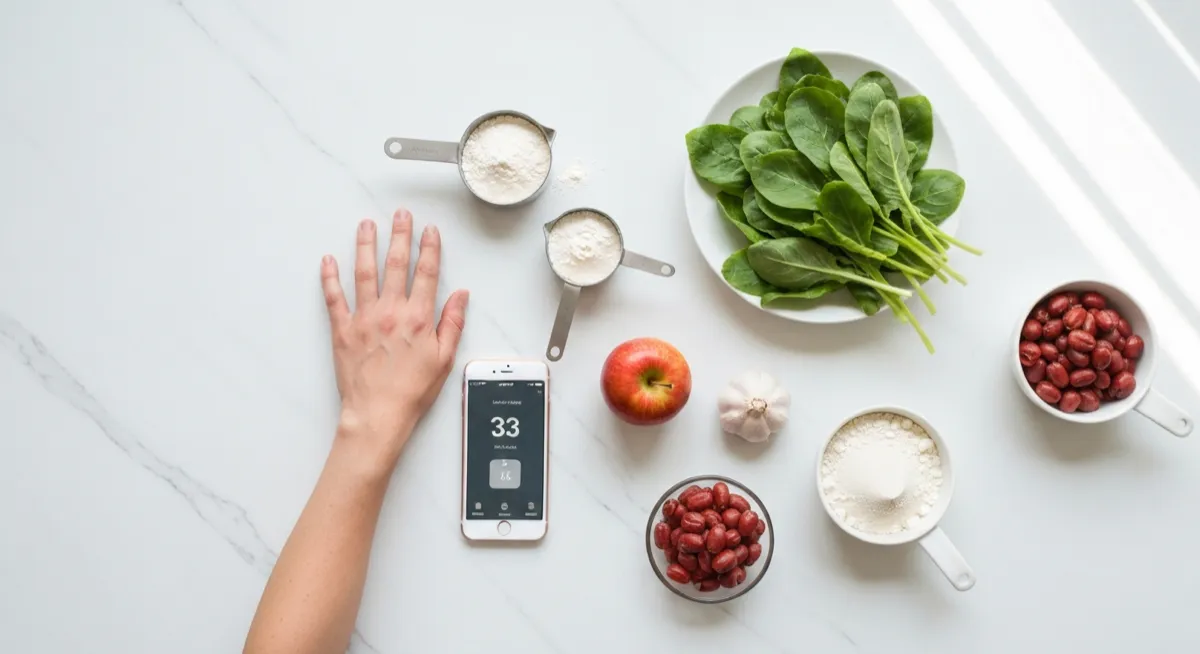
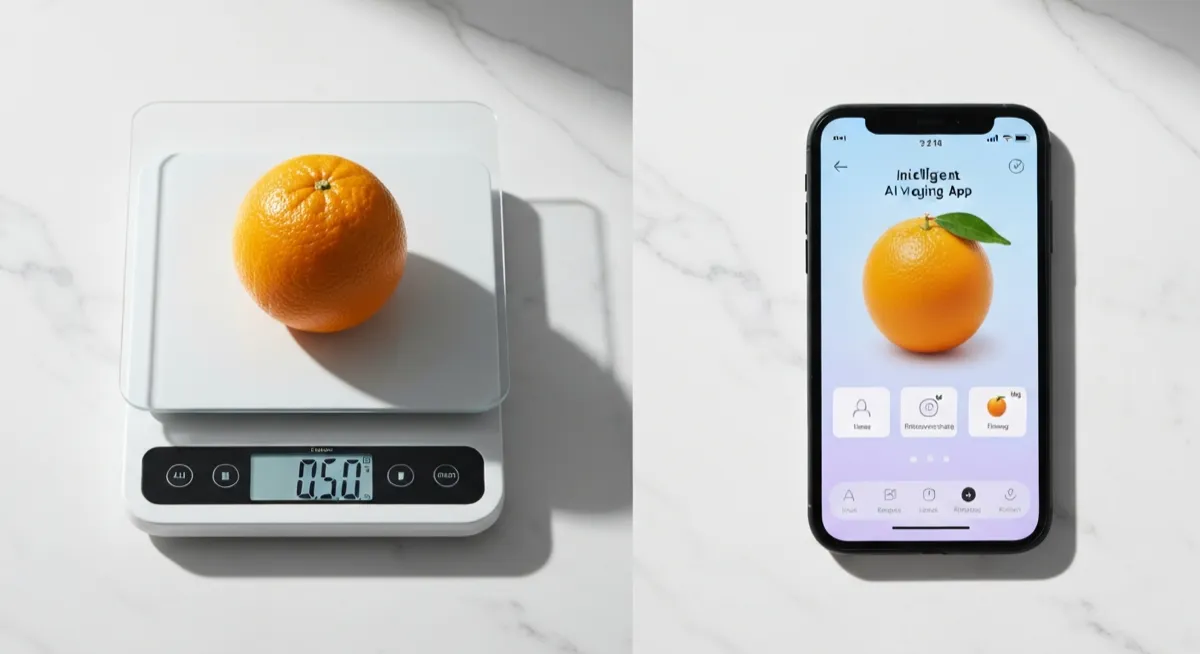
Cooking a recipe that calls for 200 grams of chicken but you do not own a kitchen scale? Our AI food scale lets you snap a quick photo and get an instant weight estimate. It is the perfect solution for home cooks, travelers, and anyone who needs a fast food weight check without buying equipment.
Accurate Portion Estimation for Meal Prep
Meal prep success depends on consistent portions. Use our food scale to photograph individual ingredients and get their weight in grams, then split a cooked batch into even servings. This makes it easy to track your daily calorie and macro intake without weighing every plate on expensive equipment.
Raw vs Cooked: Why Food Weight Changes
The same food can weigh very differently before and after cooking. Meat and poultry shed roughly a quarter of their weight as moisture cooks off, so 200 g of raw chicken lands near 150 g cooked. Grains and pasta move the other way, soaking up water and often doubling or tripling in weight. When you follow a recipe, check whether it lists raw or cooked weights before you compare an estimate.
How Many Grams Is a Standard Serving?
Serving sizes are easy to misjudge by eye. A single portion of cooked rice is about 158 g per cup, a chicken breast around 174 g raw, and a medium banana roughly 118 g once peeled. The reference table above lists the most common foods so you can gut-check any estimate in a second.
Best Practices for Weighing Food from Photos
For the most accurate results, place food on a plain plate or cutting board with good lighting. Photograph from directly above and include a common reference object like a fork or coin so the AI can judge scale. Avoid cluttered backgrounds, shiny surfaces, and shadows that might confuse the analysis.