Scale to Grams
Poisonous Plants: How to Identify Toxic Plants for Pets and Kids
Quick Answer
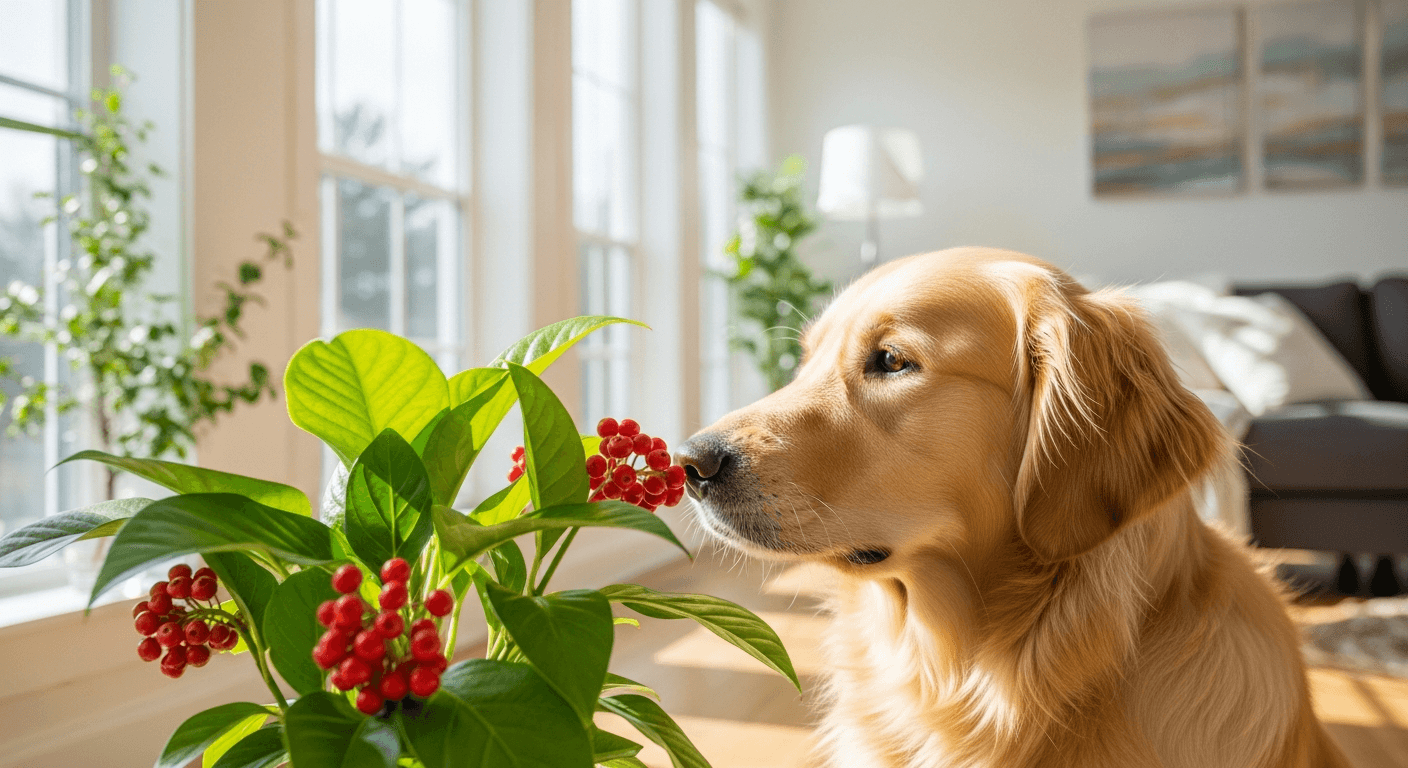
The most dangerous common plants are lilies (deadly to cats), sago palm (50% mortality in dogs), oleander, foxglove, and castor bean. If your pet or child eats an unknown plant, photograph it and call ASPCA Poison Control (888-426-4435) or human Poison Control (1-800-222-1222) immediately.
Try the Plant IdentifierASPCA poison calls per year
400,000+
plant ingestion is top cause
Sago palm dog mortality
~50%
even with treatment
Pet Poison hotline
888-426-4435
ASPCA, $85 consult fee
Most Toxic Common US Houseplants
Take inventory of your home against this list. Replace or relocate anything you have.
| Plant | Toxic to | Severity | Symptoms |
|---|---|---|---|
| Lily (true Lilium, Hemerocallis) | Cats | Fatal | Kidney failure in 24-72 hr |
| Sago palm | Dogs, cats | Often fatal | Liver failure, ~50% mortality |
| Dieffenbachia (dumb cane) | All | Severe | Mouth burning, swelling |
| Pothos (devil's ivy) | All | Moderate | Oral irritation, vomiting |
| Philodendron | All | Moderate | Burning, swelling, drooling |
| Peace lily | All | Moderate | Oral irritation, drooling |
| ZZ plant | All | Mild-moderate | Stomach pain, diarrhea |
| Snake plant | Cats, dogs | Mild | Vomiting, diarrhea |
| English ivy | Dogs | Moderate | Drooling, abdominal pain |
Dangerous Garden and Outdoor Plants
Oleander (every part toxic, even smoke). Foxglove (cardiac arrest from cardiac glycosides). Rhododendron and azalea (vomiting, heart issues). Lily of the valley (digitalis-like cardiac toxin). Autumn crocus (delayed-onset, days before symptoms). Castor bean (ricin, 1-2 seeds can kill a child).
How to Identify Unknown Plants Fast
Photograph the plant clearly (leaves, flower if any, full plant) and run through an AI plant identifier. You get the species name plus toxicity info in seconds. Critical when moving into a new home with existing plants, receiving a gift plant, or after pet/child contact with an unknown plant. Always photograph BEFORE removing in case medical staff need to see it.
Pet Poisoning Warning Signs
Mild (1-4 hr): drooling, pawing at mouth, vomiting, diarrhea, loss of appetite. Moderate: lethargy, weakness, tremors, trouble walking. Severe: seizures, breathing problems, collapse, bloody discharge. Lilies and sago palm can show no symptoms for 24-48 hours then suddenly cause organ failure. Call vet or ASPCA hotline immediately on suspicion.
Pet-Safe Plant Alternatives
Spider plant, Boston fern, Calathea, African violet, parlor palm, basil, rosemary, thyme, cilantro, hens and chicks, Haworthia. All non-toxic to cats, dogs, and children. The ASPCA maintains a searchable database at aspca.org.
Pet-Proofing Toxic Plants
If you keep toxic plants: hang in macrame at ceiling height, use shelves cats cannot reach, enclosed terrariums for small ones. Outdoor: fence off dangerous areas. Lock up fertilizers and pesticides (often more toxic than plants). Photo-label each plant on your phone for quick poison-control reference.
Frequently Asked Questions
What plants are most dangerous for cats?+
Lilies (true Lilium and Hemerocallis) are the #1 killer. Even pollen on fur can cause fatal kidney failure within 24-72 hours. Other dangers: sago palm, dieffenbachia, pothos, philodendron, autumn crocus, oleander.
What plants are toxic to dogs?+
Sago palm (often fatal), grapes and raisins, onions, garlic, oleander, foxglove, rhododendron, azalea, lily of the valley, castor bean, autumn crocus, and chocolate (theobromine).
My pet ate a houseplant. What do I do?+
Photograph the plant immediately, remove any remaining plant material from your pet's mouth, and call ASPCA Poison Control (888-426-4435, $85 consult) or your vet. Bring the plant photo or sample with you.
Are succulents safe for cats?+
Most are safe (hens and chicks, Haworthia, echeveria), but some are mildly toxic (jade plant, aloe vera, kalanchoe, snake plant). Always check the species against the ASPCA database before buying.
How can I quickly identify if a plant is poisonous?+
Photograph the plant and use an AI plant identifier like Scale to Grams Plant Identifier. The result includes toxicity status for pets and children, plus symptoms to watch for if ingested.
What is the most toxic plant for children?+
Castor bean (ricin, 1-2 seeds can be fatal), oleander (single leaf can kill a small child), foxglove, autumn crocus, and rosary pea. Most cases involve children under 6 putting plant parts in their mouths.
Try These Tools
Put what you learned into practice with our free AI tools: