Scale to Grams
How to Identify Any Plant from a Photo: Complete Guide
Quick Answer
Open an AI plant identifier, photograph the leaves and any flowers in natural daylight, and you will get a species name and care info in seconds. Modern tools recognize 30,000+ species with 90%+ accuracy on clear photos.
Try the Plant IdentifierSpecies recognized
30,000+
top AI identifiers
Accuracy
90%+
with clear leaf and flower photos
Time to result
~2 sec
one upload
How AI Plant Identification Works
AI plant identifiers use convolutional neural networks trained on millions of plant images. The model analyzes leaf shape, flower structure, bark texture, growth pattern, and fruit features, then matches against its database. Top tools recognize over 30,000 species with 90%+ accuracy on clear photos.
What to Photograph for Best Results
Photo quality directly drives accuracy. Capture leaves up close (both sides), any flowers or buds, the overall plant shape, bark if it is a tree, and any fruit or berries. Use natural daylight. Multiple photos from different angles improve confidence.
| Plant type | Most useful photo | Secondary |
|---|---|---|
| Tree | Leaf close-up | Bark texture, overall shape |
| Flowering plant | Flower face-on | Leaf arrangement |
| Succulent | Top-down whole plant | Stem and base |
| Grass / sedge | Seed head close-up | Stem cross-section |
| Fern | Frond underside (sori) | Whole plant |
Identifying Potentially Dangerous Plants
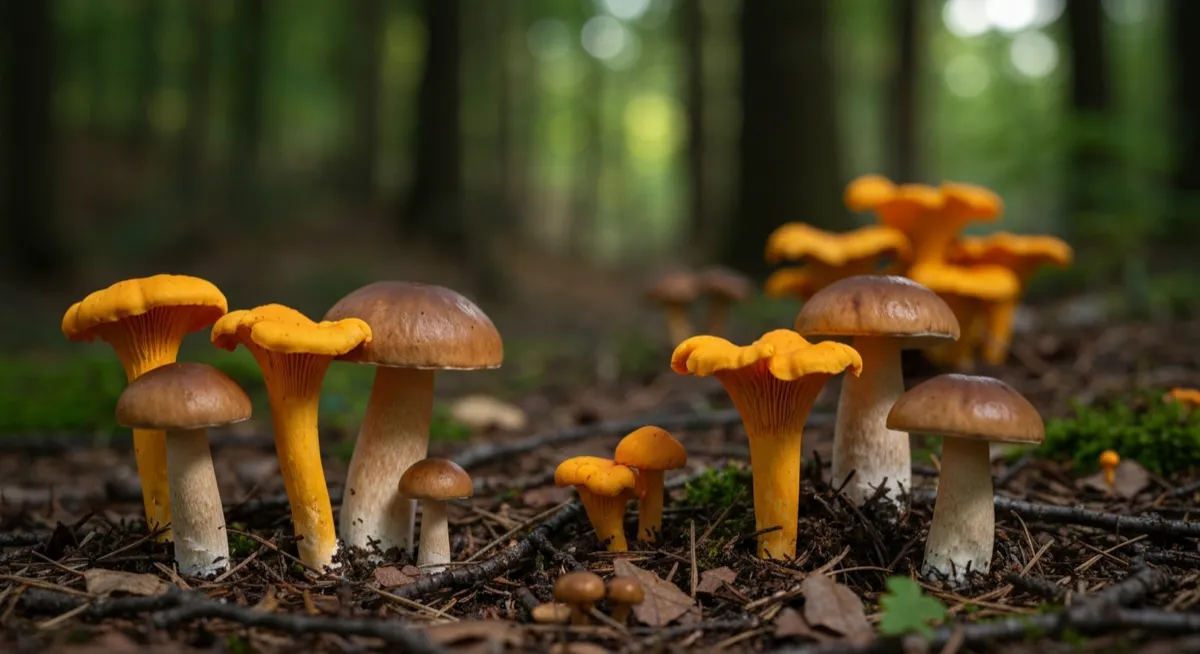
AI helps flag toxic plants, but never eat anything based on AI alone. Poison hemlock looks similar to wild carrot. Many deadly mushrooms mimic edible species. Treat AI as a starting point and verify with a local expert or field guide before consuming any wild plant.
What You Get Beyond a Name
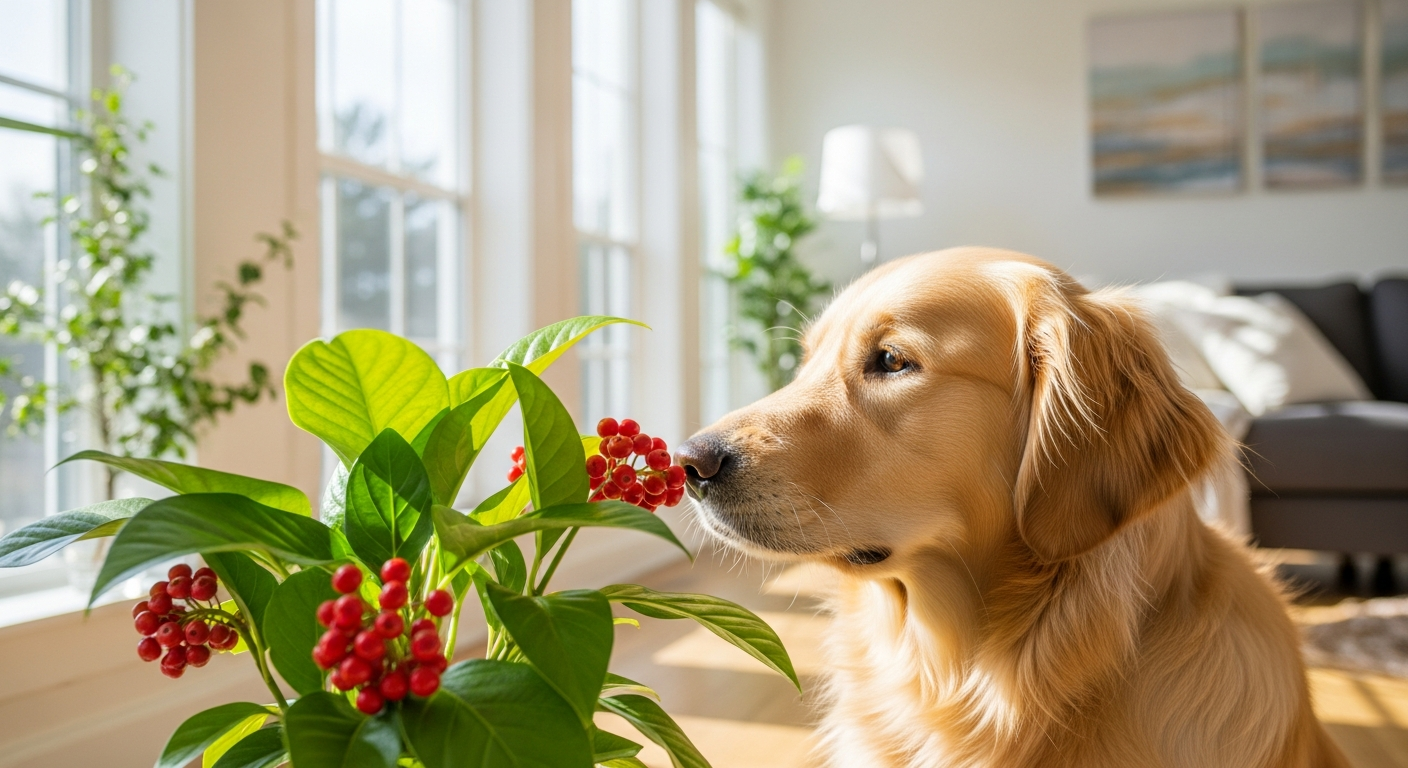
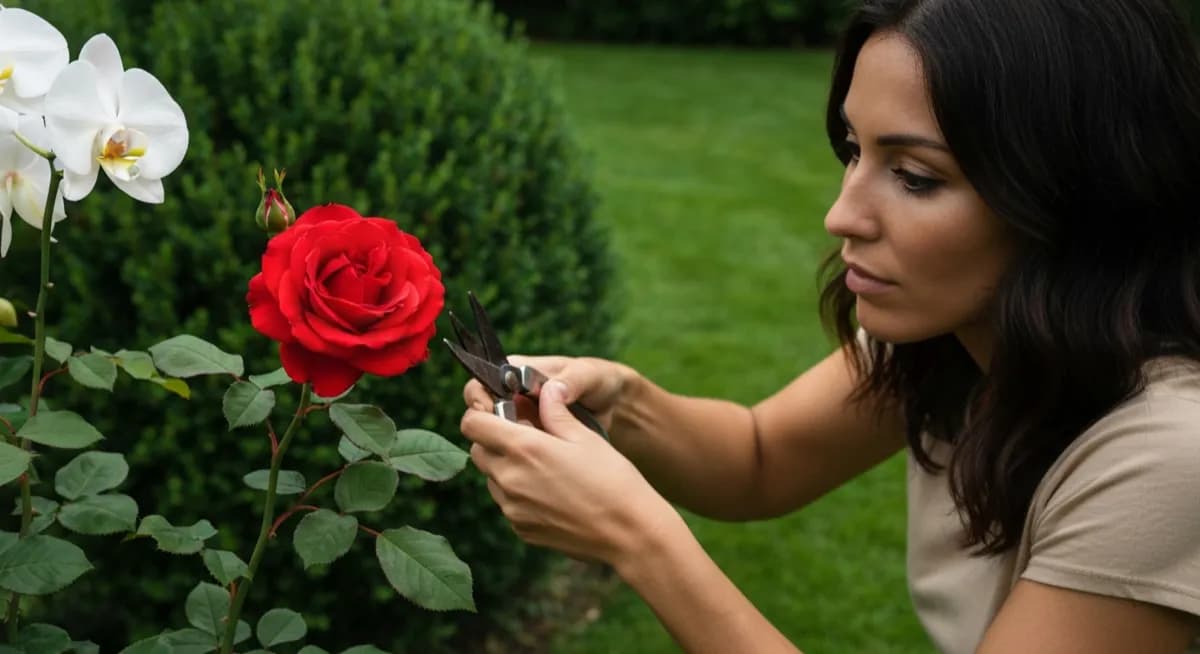
A good identifier returns common and scientific names, native range, sunlight and water needs, soil preferences, bloom season, growth rate, and pet toxicity. For garden plants you also get pruning schedules and common diseases. The identification doubles as a care guide.
Tips for Difficult IDs
Grasses, sedges, and juvenile plants are the hardest. If confidence is low, photograph multiple parts (leaves, flower, stem base) and submit them together. Adding location and habitat (forest, meadow, urban garden) narrows the match.
Frequently Asked Questions
What is the best free plant identifier app?+
Top free options include Scale to Grams Plant Identifier, PlantNet, iNaturalist, and Google Lens. PlantNet is best for wild species, Google Lens for general use, and dedicated AI tools for care info.
Can AI identify a plant from just a leaf?+
Yes, but accuracy is lower than with a flower in the photo. A clear leaf close-up alone gives roughly 70-80% accuracy. Adding a flower pushes that above 90%.
How accurate is plant identification by photo?+
Modern AI tools are 90%+ accurate when given a clear photo of leaves and flowers in daylight. Accuracy drops to 60-70% for blurry photos, juvenile plants, or species without flowers.
Can plant identifier apps tell if a plant is poisonous?+
Most return toxicity info for pets and children once the species is identified. Never rely on this alone for foraging. Always confirm with a field guide or expert before eating any wild plant.
Does plant identification work offline?+
A few apps (PictureThis, PlantNet) cache models for offline use, but most AI identifiers including Scale to Grams need internet to query their full species database.
Why does the AI give different answers for the same plant?+
Confidence depends on lighting, focus, and which features are visible. Try photographing the flower head-on or a clear leaf in natural light, and ID confidence usually jumps.
Try These Tools
Put what you learned into practice with our free AI tools: