Scale to Grams
How to Identify Birds from a Photo: AI Bird Identification Guide
Quick Answer
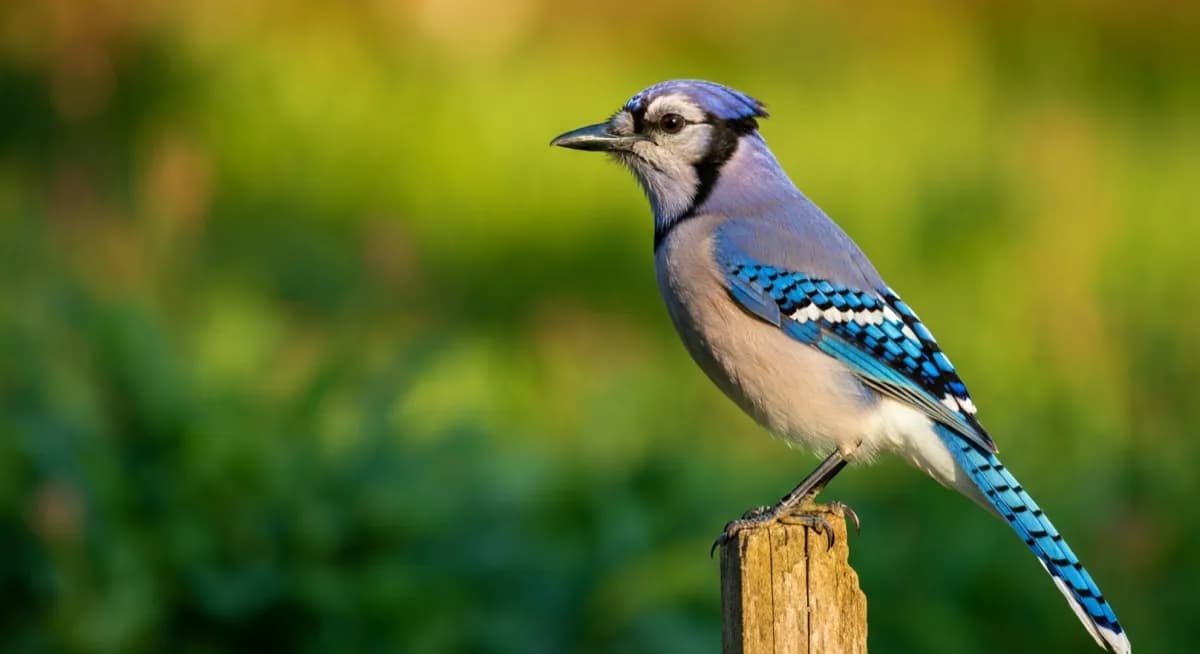
Photograph the bird in profile (side view), zoom in so the bird fills the frame, and upload to an AI bird identifier. You will get a species name in seconds with 90%+ accuracy on clear shots of common species.
Try the Bird IdentifierSpecies recognized
10,000+
top identifiers
Accuracy
90%+
clear profile photo
Best photo angle
Side profile
shows beak and plumage
How AI Bird Identification Works
AI bird tools are trained on millions of labeled photos covering thousands of species. The model analyzes body shape, beak size and shape, plumage color, wing bars, tail shape, and eye markings. The best identifiers tell apart look-alike pairs like House Finch vs Purple Finch or Cooper's Hawk vs Sharp-shinned Hawk.
What Features Matter Most
Get a clean shot of these and AI will nail the ID nearly every time.
| Feature | Why it matters | Examples |
|---|---|---|
| Beak shape | Reveals diet group | Seed (finch), insect (warbler), hooked (raptor) |
| Plumage pattern | Distinguishes species | Chest streaks, wing bars, eye lines |
| Body shape | Family group | Round (sparrow), slender (heron) |
| Tail shape | Behavioral group | Forked (swallow), fanned (jay) |
| Habitat in shot | Narrows region | Water, forest, grassland |
Photo Tips
Use maximum optical zoom to fill the frame. Side profile is ideal. Light behind you, not behind the bird. Multi-angle shots (side, front, underside) raise confidence on tough IDs. Even partial or blurry photos work if key features like beak or distinctive coloring are visible.
Common Challenges
Juveniles often look nothing like adults. Birds in non-breeding plumage change dramatically by season. Females of dimorphic species (cardinals, mallards) are duller than males and often misidentified. Backlit silhouettes lose color info entirely.
Building Birding Skills
Use AI as a learning aid, not a shortcut. After each ID, look at the bird and note the features that distinguish it. Within a few sightings you will recognize the species on your own. Keep a life list with date, location, and habitat for each new bird.
Frequently Asked Questions
What is the best app to identify birds from a photo?+
Top free options are Scale to Grams Bird Identifier, Merlin Bird ID (Cornell Lab), and the iNaturalist Seek app. Merlin is best for North America, iNaturalist for global, Scale to Grams works in any browser without an app.
Can AI identify birds from sound?+
Yes. Merlin Bird ID has a Sound ID feature that identifies birds from a recording of their call. It works in real time and is highly accurate for North American songbirds.
How accurate is bird identification by photo?+
For clear photos of common species, modern AI hits 90-95% accuracy. Juvenile birds, female dimorphs, and look-alike pairs like Cooper's vs Sharp-shinned Hawk drop to 70-85%.
Can I identify a bird from a feather?+
Sometimes. Distinctive feathers (jay, woodpecker, raptor) can be identified by color and pattern. Generic brown or gray feathers usually cannot be narrowed beyond family group.
Does the bird identifier work for birds in flight?+
Yes, especially for raptors with diagnostic underwing patterns. Songbirds in flight are harder because the AI cannot see plumage detail at speed. Capture the silhouette plus any visible markings.
Why does the AI keep guessing the wrong bird?+
Usually the photo is too small in frame, the bird is backlit, or it is a juvenile or non-breeding adult. Get closer, light from behind you, and add habitat context if possible.
Try These Tools
Put what you learned into practice with our free AI tools: