Scale to Grams
How to Identify Snakes from a Photo: Safety-First AI Guide
Quick Answer
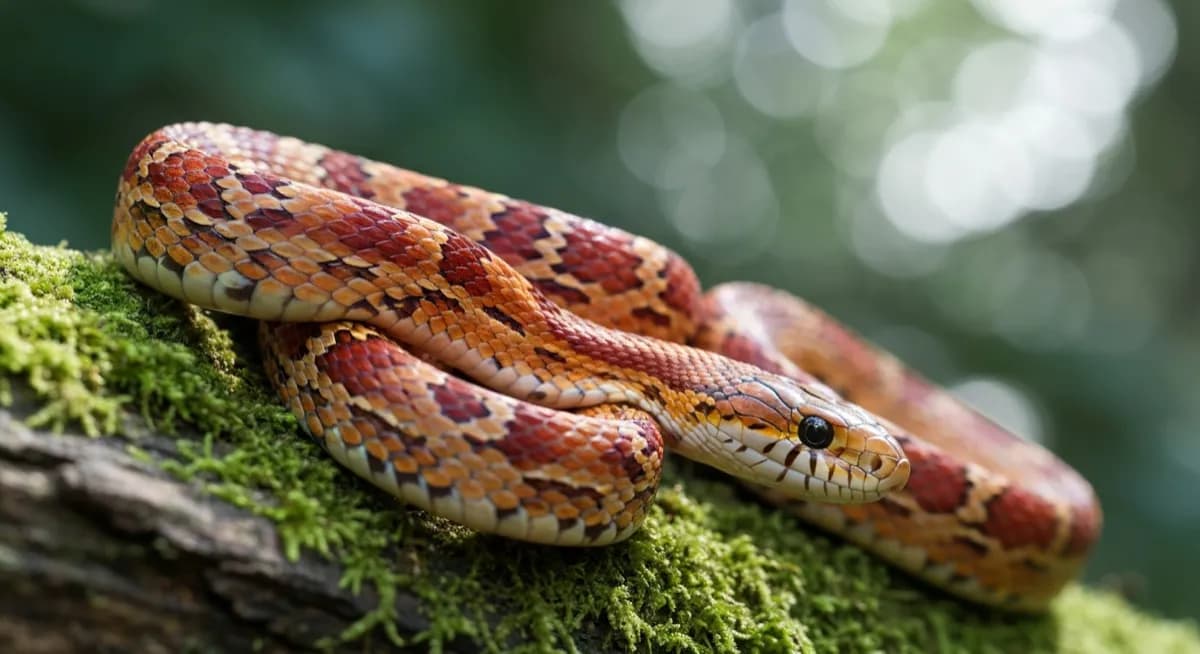
Stay at least 6 ft (2 m) from any unidentified snake. Use phone zoom to capture the head, body pattern, and tail. Upload to an AI snake identifier for species and venom status. In the US, only 4 native venomous groups: rattlesnakes, copperheads, cottonmouths, coral snakes.
Try the Snake IdentifierSafe distance
6 ft
2 m, half body length strike range
US venomous groups
4
rattler, copperhead, cottonmouth, coral
Annual US snake bites
~7,000-8,000
CDC, only 5-6 deaths
US Venomous Snakes to Recognize
These are the only native venomous snake groups in the continental US. Learn them on sight.
| Species | Region | Tell | Pupil |
|---|---|---|---|
| Rattlesnake (multiple) | Most US | Rattles, triangular head | Vertical slit |
| Copperhead | Eastern US | Hourglass copper bands | Vertical slit |
| Cottonmouth (water moccasin) | SE US, water | Thick body, white mouth display | Vertical slit |
| Coral snake | SE US, SW US | Red touches yellow bands | Round (exception) |
Safety First
Most snakes can strike at half their body length. A 6-foot snake can hit you 3 feet away. Keep at least 6 ft (2 m) and use phone zoom. Never poke or try to move a snake. Most US snake bites happen during interaction attempts, not random encounters.
What to Photograph
Head close-up first (most diagnostic). Then body pattern from the side. Then tail. Head shape: pit vipers have broad triangular heads wider than the neck. Coral snakes are an exception (small rounded head). Some harmless snakes (hognose) flatten heads to mimic vipers, so AI is more reliable than a single feature.
Commonly Misidentified Harmless Snakes
Water snakes get killed mistaken for cottonmouths (water snakes have round pupils, narrower heads). Milk snakes and king snakes look like coral snakes (red touches black, harmless). Rat snakes get killed for being big. Hognose snakes are harmless theatre.
How AI Snake Identification Works
AI analyzes pattern, color, head shape, body proportions, and habitat from your photo. Confident IDs on distinctive species (coral snake, king cobra, green tree python) are highly reliable. Juveniles and uniformly dark species are harder. Add geographic location for tighter accuracy.
If You Are Bitten
Photograph the snake for medical staff if you can do so safely. Keep the person calm, immobilize the limb, remove jewelry near the bite, and get to a hospital. Never apply a tourniquet, cut the wound, or try to suck out venom. Modern antivenom is fast and effective.
Frequently Asked Questions
How can I tell if a snake is venomous from a photo?+
In the US, look for triangular head, vertical slit pupils, hourglass bands (copperhead), or rattles (rattlesnake). Coral snakes break the rules with red touching yellow bands. AI snake identifiers like Scale to Grams give species and venom status in seconds.
What is the most dangerous snake in the US?+
The Eastern Diamondback Rattlesnake delivers the most venom per bite, but copperheads cause the most bites due to camouflage and proximity to homes. Mojave Rattlesnake venom is the most potent.
How accurate is snake identification by photo?+
For distinctive species with clear photos, modern AI hits 90%+ accuracy. Juvenile snakes and uniformly colored species drop to 60-75%. Adding geographic location and habitat raises confidence.
What should I do if I find a snake in my house?+
Close the room's doors to contain it. Do not approach or try to catch it. Call a professional wildlife removal service. Most US states list licensed snake removers online.
Are baby snakes more dangerous than adults?+
A common myth. Adult venomous snakes deliver more venom per bite. Baby snakes are dangerous because they are smaller and harder to spot, but their bites are typically less severe.
Can the snake identifier tell me if it is safe to keep as a pet?+
It identifies the species and provides info on legal pet status, care needs, and venom. Many native snakes require a state permit. Coral snakes and venomous species are illegal as pets in most states.
Try These Tools
Put what you learned into practice with our free AI tools: