Scale to Grams
How to Identify a Pill by Imprint Code
Quick Answer
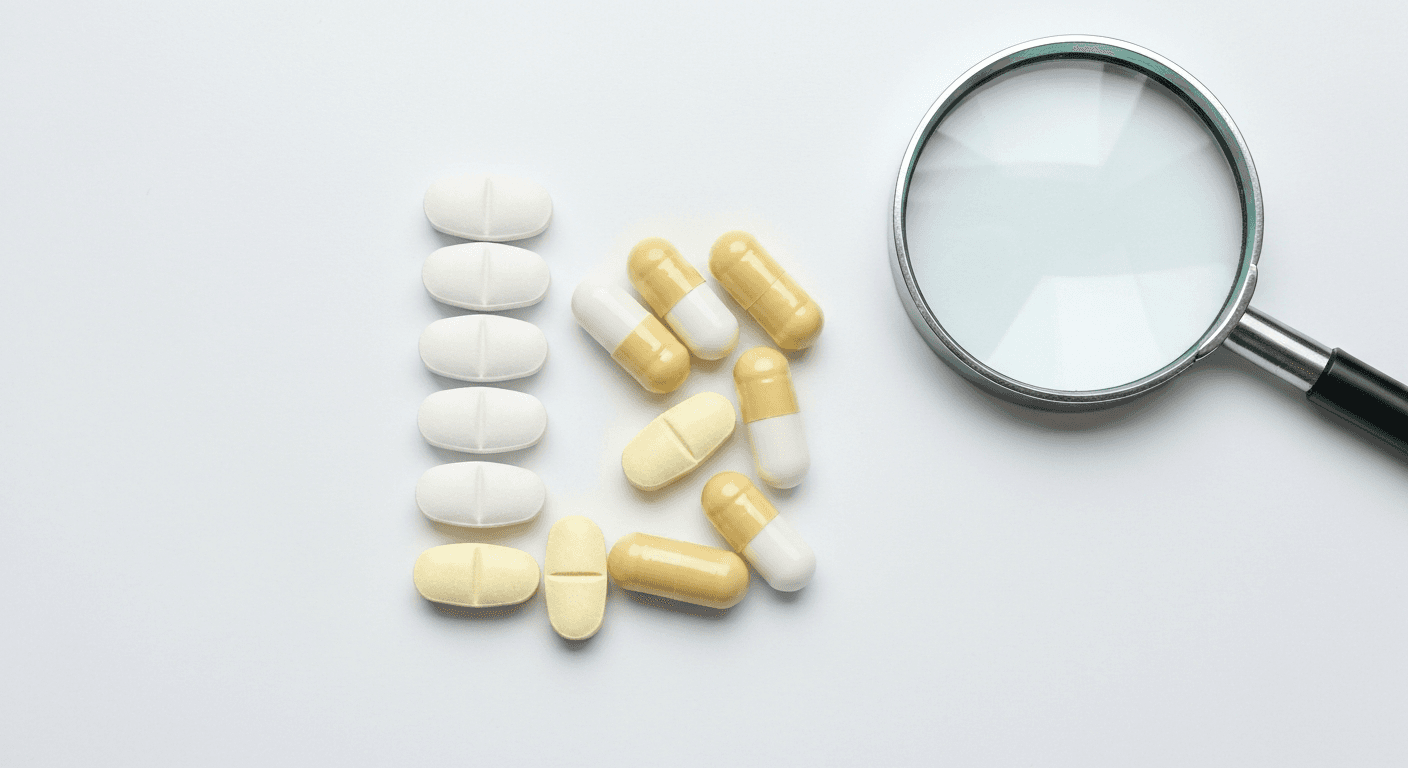
Read the letters and numbers stamped on the pill (the imprint code), then search a verified database like the FDA's Pillbox or Drugs.com Pill ID. This is for visual identification only — never take a pill you cannot positively identify, and call Poison Control at 1-800-222-1222 if there is any chance of accidental ingestion.
Identify a Pill From a PhotoFDA imprint requirement
Since 1995
all Rx pills in US
Best free database
NLM Pillbox
pillbox.nlm.nih.gov
Poison Control
1-800-222-1222
free, 24/7, US
Important Safety Notice
This guide is for educational visual identification only. It is not medical advice. Never take a pill you cannot positively identify with a pharmacist or doctor. If a child or pet has ingested an unknown pill, call Poison Control immediately at 1-800-222-1222 (US) or contact your local emergency line. Online or AI-based identification can be wrong, and the consequences of taking the wrong medication can be serious or fatal.
What an Imprint Code Is
In 1995, the FDA began requiring almost every prescription pill sold in the US to have a unique imprint — letters, numbers, or a combination — stamped or printed onto it. This is the pill's unique identifier. Combined with the pill's shape and color, the imprint code is enough to look up exactly what medication, what dose, and what manufacturer made it. Over-the-counter (OTC) drugs are not always required to have imprints, but most major brands do.
How to Read the Imprint
The imprint can appear on one or both sides of the pill, and may include letters, numbers, logos, or scoring (a line indicating where to split the pill). Look at the pill under good light and write down everything you see, exactly as printed:
| Element | Example | Why it matters |
|---|---|---|
| Imprint front | M523 | Primary identifier |
| Imprint back | 10 / 325 | Often dose info |
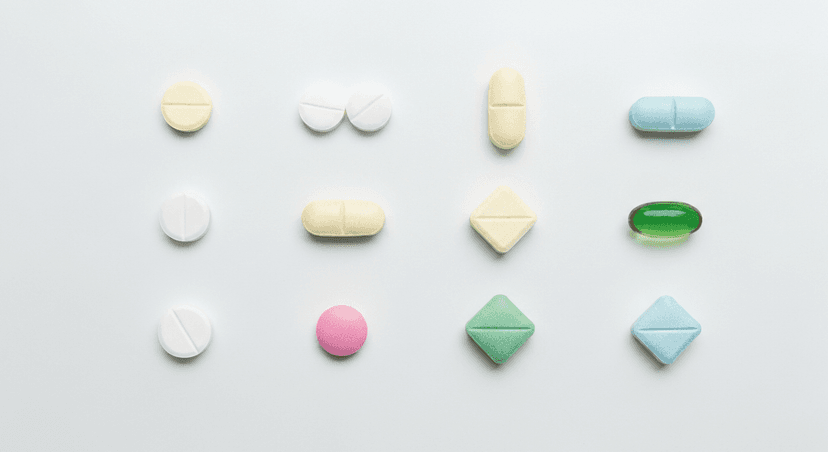
| Shape | Oval, round, capsule | Narrows the search |
| Color | White, yellow, blue | Narrows the search |
| Scoring | Single line, double line, none | Indicates dose splitting |
| Coating | Film coated, gelatin capsule | Narrows the manufacturer |
| Approximate size | 8 mm, 12 mm, etc. | Verifies match |
Where to Search the Imprint
These are the most authoritative free resources for pill ID in the US:
| Source | Who runs it | Best for |
|---|---|---|
| NLM Pillbox | US National Library of Medicine | Most authoritative, free |
| Drugs.com Pill ID | Drugs.com (commercial) | Largest database, easy interface |
| WebMD Pill Identifier | WebMD | Quick lookup with images |
| Pharmacist consultation | Your local pharmacy | Free, in-person, definitive |
| DailyMed | NLM/FDA | Full prescribing info once ID'd |
When the Imprint Is Worn or Missing
Old, broken, or chewed pills may have imprints that are no longer readable. In this case: photograph the pill and use a visual ID tool (shape and color match against database). Never assume identity based on partial information. If you cannot positively identify it, treat it as unknown — call your pharmacist or Poison Control. Do not take the pill.
OTC vs Prescription Pills
OTC medications (Tylenol, Advil, Aleve, Benadryl, etc.) often have imprints but may also be identifiable by their distinctive packaging shapes and colors. Prescription pills are more strictly regulated and almost always have unique imprints. If a pill has no imprint at all, it is likely a vitamin, supplement, OTC medication, or something compounded — but it could also be a counterfeit or illicit drug, which carries serious risk.
Using AI for Pill Identification
Photograph the pill on a plain white surface under bright light, capturing both sides if there are imprints on both. Upload to our AI Pill Identifier. The AI cross-references against shape, color, and imprint databases and returns possible matches with confidence scores. Use it as a first-pass screening only. For any pill you might actually take or have someone else take, confirm with a licensed pharmacist before doing anything.
When to Call for Help
Call Poison Control at 1-800-222-1222 immediately if a child or pet has swallowed an unknown pill, if you accidentally took a pill from the wrong bottle, if you mixed up your medications, or if anyone is having symptoms after taking an unidentified pill. The service is free, available 24/7, and staffed by trained specialists. They handle over 2 million calls per year in the US.
Frequently Asked Questions
How do I identify a pill I found?+
Read the imprint code (letters and numbers stamped on it), note the shape and color, and search on NLM Pillbox or Drugs.com Pill ID. Do not take any pill you cannot positively identify with a pharmacist or doctor.
What does the imprint code on a pill mean?+
The imprint is a unique FDA-required identifier. Combined with the shape and color, it tells you the exact medication, dose, and manufacturer. Most US prescription pills have had imprints since 1995.
What if I cannot find the pill in any database?+
It may be a foreign medication, a compounded prescription, a counterfeit, or an illicit substance. Bring the pill to a pharmacist for help, or call Poison Control at 1-800-222-1222 if there is any concern about ingestion.
Are pill identifier apps reliable?+
They are useful as a first-pass screening but are not a substitute for a pharmacist. Even the best AI tools can mismatch similar-looking pills. Always confirm any identification before acting on it, especially before taking the medication.
What does no imprint on a pill mean?+
It usually means the pill is a vitamin, supplement, OTC medication, or compounded prescription. It could also mean a counterfeit, illegal, or foreign drug. Pills without imprints are harder to identify and warrant extra caution.
Who do I call if my child swallowed an unknown pill?+
Call US Poison Control at 1-800-222-1222 immediately. The service is free, 24/7, and they will guide you through what to do. Have the pill ready to describe (shape, color, imprint, packaging if any). Call 911 if the child is unconscious or having seizures.
Can I look up pills by shape and color only?+
Yes, but the result is far less reliable. Many different medications share the same shape and color. The imprint code is what makes identification specific. Use shape and color as a backup when the imprint is worn or missing — and always confirm with a pharmacist.
Try These Tools
Put what you learned into practice with our free AI tools: