Scale to Grams
How to Calculate Macros from a Food Photo: AI Macro Tracking
Quick Answer
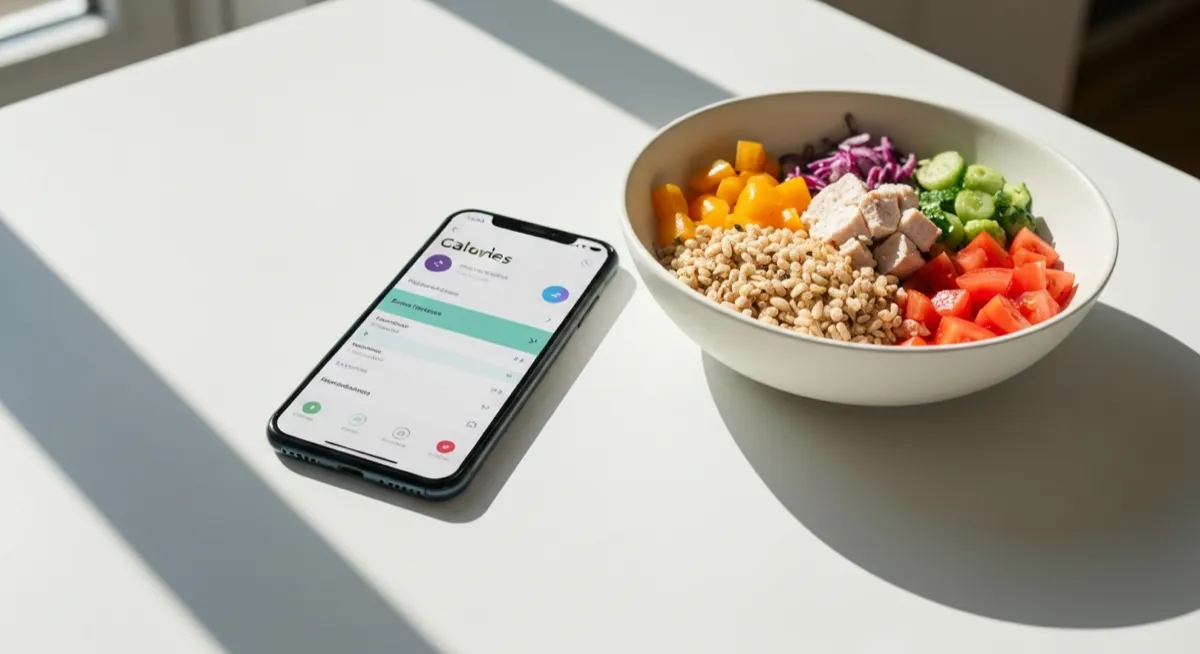
Snap a top-down photo of your separated meal components and an AI macro calculator returns protein, carbs, and fat in seconds. Accuracy is within 15-20% for protein, 20-25% for carbs, 25-30% for fat. Fat is hardest because cooking oils are invisible.
Try the Macro CalculatorProtein per gram
4 cal/g
same as carbs
Carbs per gram
4 cal/g
fiber 0-2 cal/g
Fat per gram
9 cal/g
most calorie-dense
Macro Targets by Goal
Standard macro splits depend on what you are training for. Protein is usually expressed in grams per pound of bodyweight.
| Goal | Protein | Carbs | Fat |
|---|---|---|---|
| Fat loss (cut) | 1.0-1.2 g/lb | 40-45% of cal | 20-25% of cal |
| Maintenance | 0.8-1.0 g/lb | 40-50% of cal | 25-30% of cal |
| Muscle building (bulk) | 0.8-1.0 g/lb | 45-55% of cal | 20-30% of cal |
| Endurance training | 0.6-0.8 g/lb | 55-65% of cal | 20-25% of cal |
| Keto / low-carb | 0.8-1.0 g/lb | 5-10% of cal | 70-80% of cal |
Why Macros Beat Calories Alone
A 500-cal grilled chicken meal (45g protein, 30g carbs, 15g fat) builds muscle and keeps you full. A 500-cal slice of cake (5g protein, 70g sugar carbs, 22g fat) spikes blood sugar and leaves you hungry in an hour. Same calories, completely different effect on body composition.
How AI Photo Macro Tracking Works
The AI identifies each food in the photo, estimates portion sizes from plate and visual cues, and looks up per-gram macros. Returns calories, protein, carbs (sometimes split into sugar and fiber), and fat (sometimes split into saturated and unsaturated). Whole process takes 2-5 seconds.
Accuracy by Macro
Protein: ±15-20%. Carbs: ±20-25%. Fat: ±25-30% because oils mixed into sauces and marbling in meat are invisible. Mixed dishes (stews, casseroles, smoothies) are harder than plated meals. Good for general awareness, not contest-prep precision.
Tips for Better Macro Photos
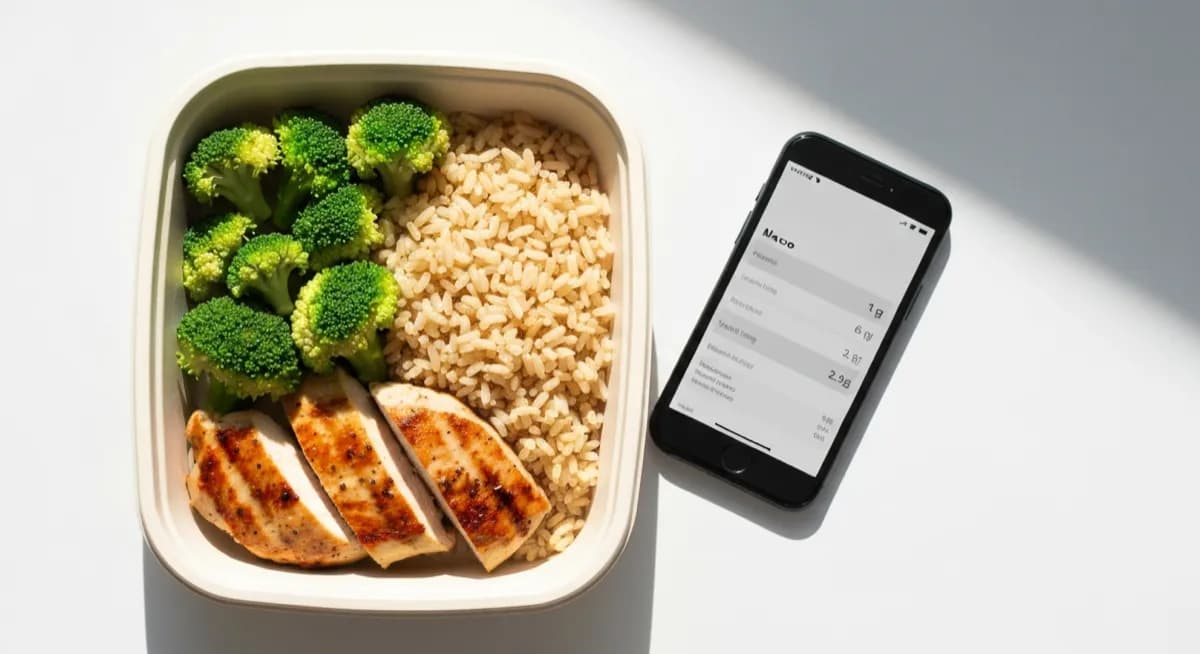
Separate components on the plate (protein in one spot, carbs in another). Photograph before adding sauces. Capture the full plate. For packaged foods or supplements, photograph the nutrition label instead. Use good natural light.
Building a Sustainable Habit
Manual macro tracking has higher dropout than calorie tracking because it is three numbers per food. Photo tracking cuts the effort to seconds. Start with one meal per day (usually dinner), build to all three over 2-3 weeks. Aim for pattern awareness, not perfection.
Frequently Asked Questions
What is the best app to track macros from a photo?+
Top free options include Scale to Grams Macro Calculator, Bite AI, and Foodvisor. For barcode-driven tracking, MyFitnessPal Premium has the largest food database.
How accurate are AI macro counters?+
Protein and carb estimates are typically within 15-25% of actual. Fat is harder at 25-30% because cooking oils and meat marbling are invisible. Good enough for general goals, not for contest prep.
How much protein do I need per day?+
For fat loss, aim for 1.0-1.2g per pound of bodyweight (about 180-200g for a 175 lb person). For maintenance, 0.8-1.0g/lb. For muscle building, 0.8-1.0g/lb plus a calorie surplus.
Can I track macros without weighing food?+
Yes with photo tracking, hand-portion estimation, or visual portion guides. Accuracy is lower than weighing but high enough for non-competitive goals.
How do I calculate macros from a photo manually?+
Estimate each component's weight visually (palm of meat = 4 oz, fist of rice = 1 cup), then multiply by per-gram macros from a nutrition database. AI tools automate this in 3 seconds.
Do macros matter for weight loss?+
Calorie deficit drives weight loss. Macros affect what you lose: high protein (1g/lb) preserves muscle. Low protein in a deficit causes muscle loss. Carbs vs fat split is mostly preference.
Try These Tools
Put what you learned into practice with our free AI tools: