Scale to Grams
How Much Does a Cup of Sugar Weigh? Every Type Compared
Quick Answer
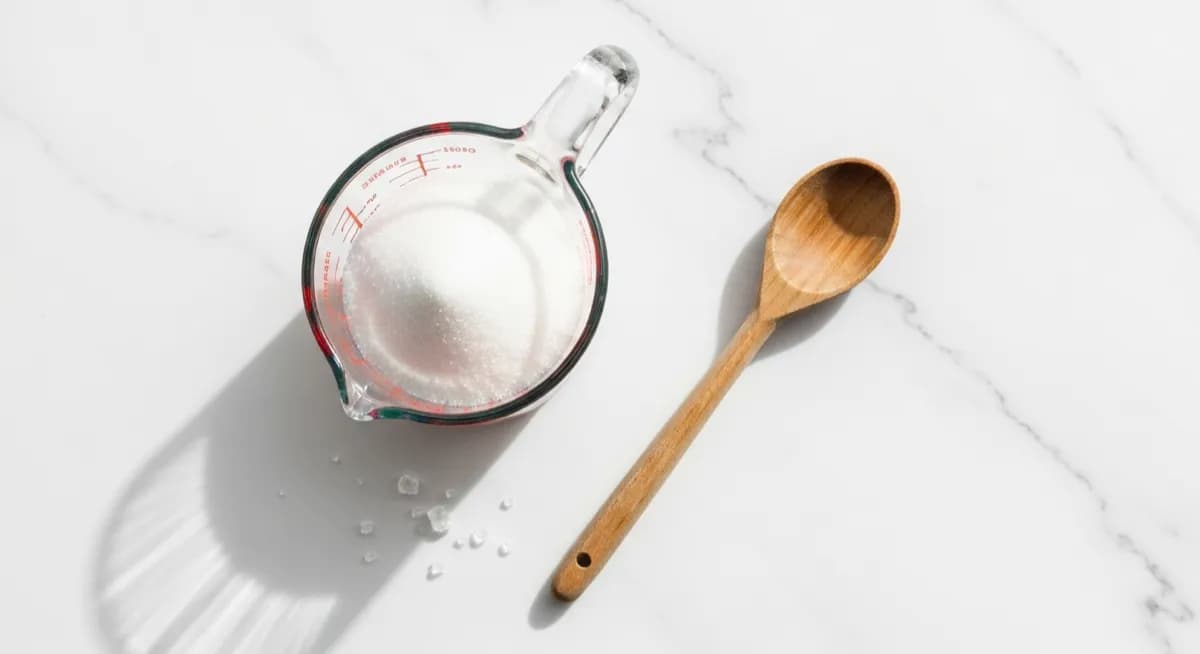
A US cup of white granulated sugar weighs 7 oz (200g). Packed brown sugar weighs 7.75-8.1 oz (220-230g). Powdered sugar weighs 4.2-5.3 oz (120-150g) depending on whether it is sifted.
Try the AI Kitchen ScaleWhite granulated
7 oz
200g per US cup
Packed brown
7.75 oz
220g, light brown
Powdered (sifted)
4.2 oz
120g per cup
Sugar Weight by Type
Different sugars pack differently. Brown sugar is always packed unless the recipe says otherwise.
| Type | Per cup (oz) | Per cup (g) |
|---|---|---|
| White granulated | 7 oz | 200g |
| Light brown (packed) | 7.75 oz | 220g |
| Dark brown (packed) | 8.1 oz | 230g |
| Brown (loose, not packed) | 5.1-5.6 oz | 145-160g |
| Powdered (sifted) | 4.2 oz | 120g |
| Powdered (unsifted) | 5.3 oz | 150g |
| Raw / turbinado | 6.3 oz | 180g |
| Coconut sugar | 6 oz | 170g |
| Honey | 12 oz | 340g |
| Maple syrup | 11.1 oz | 315g |
Packed vs Unpacked Brown Sugar
Brown sugar is sticky from molasses, so it traps air. Packed = pressed into the cup until it holds its sandcastle shape (220g). Loose = scooped without pressing (145-160g). That is a 40% difference. Always assume packed unless the recipe says otherwise.
Sugar Calories per Cup
All sugars are 4 cal per gram, so calories scale with weight.
| Type (1 cup) | Weight | Calories |
|---|---|---|
| White granulated | 200g | ~774 cal |
| Packed brown | 220g | ~836 cal |
| Powdered (sifted) | 120g | ~467 cal |
| Honey | 340g | ~1,031 cal |
| Maple syrup | 315g | ~819 cal |
Common Conversions
1 tbsp white sugar = 0.4 oz (12.5g). 1 tsp = 0.15 oz (4.2g). Coffee shop sugar packet = 0.14 oz (4g). 4 lb bag = ~9 cups. 5 lb bag = ~11.25 cups. To swap powdered for granulated, use 1.75 cups powdered per 1 cup granulated.
How to Measure Accurately
White sugar: spoon into cup, level with knife. Brown sugar: press firmly with the back of a spoon until level with the rim. Powdered: sift first if the recipe says "sifted powdered sugar," then spoon and level without pressing. For best results, weigh in grams.
Frequently Asked Questions
How many grams in a cup of sugar?+
A US cup of white granulated sugar weighs 200g (7 oz). Packed brown sugar is 220g (light) or 230g (dark). Sifted powdered sugar is 120g.
How many cups in a pound of sugar?+
A pound (450g) of white granulated sugar is about 2.25 cups. A pound of packed brown sugar is just over 2 cups. Powdered sugar is about 3.75 cups per pound.
How much does 1/2 cup of sugar weigh?+
Half a cup of white granulated sugar weighs 3.5 oz (100g). Half a cup of packed brown sugar weighs 3.9 oz (110g).
How much does a tablespoon of sugar weigh?+
One tablespoon of white granulated sugar weighs about 0.4 oz (12.5g) and has 49 calories.
Is brown sugar heavier than white sugar?+
Yes when packed. Packed light brown is 220g per cup vs 200g for white granulated, because the molasses coating makes the crystals stick together.
How many grams in a cup of powdered sugar?+
Sifted powdered sugar is 120g per US cup. Unsifted (straight from the bag) is 150g per cup. The difference matters for icings and glazes.
Try These Tools
Put what you learned into practice with our free AI tools: